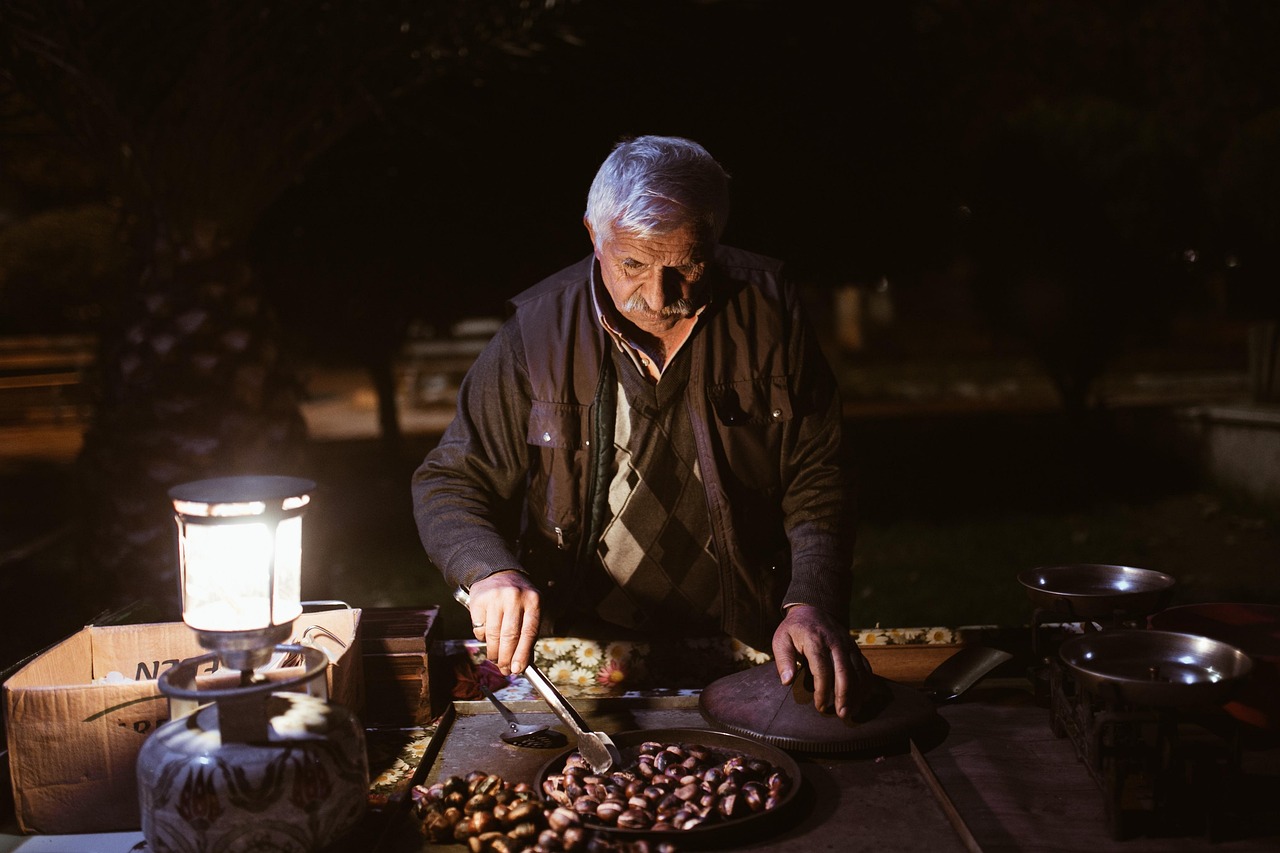
Kensington Market
A century of arrivals, four blocks of appetite
⏱ 2-3 hours👤 All agesFree
Get Tickets
Get Kensington Market Tickets
Skip the line · mobile tickets accepted at the door
The market's history is Canada's immigration story at neighborhood scale: the 1900s-20s Jewish market (pushcart vendors priced out of formal retail turned their house fronts into stalls — the architectural DNA survives), the postwar Portuguese era (the Azorean community's painted houses and the fish-and-churrasco economy), the 60s-70s counterculture arrival (the American draft-resister wave settled here; the market's activist spine dates to it), the Caribbean and Latin decades, and the heritage designation (2006's National Historic Site listing named the layered immigrant-market fabric itself as the monument — a designation protecting not buildings but character). The anti-gentrification immune system is the modern chapter: the community land trust movement's local victories, the anti-chain campaigns, and the market's self-governing scruff — like Vancouver's Commercial Drive, the unpolish is actively defended, and visitors who get it get it.
The crawl craft: enter from Spadina through Chinatown (the dumpling-to-empanada gradient is the city's best food transition), the progressive-lunch canon (a patty, a taco, a banh mi, a butter tart somewhere, espresso standing), the vintage circuit's rummage hours (the courtyard shops reward digging), the grocer-and-spice-shop browse (the market works for actual shopping — picnic assembly for Trinity Bellwoods park ten minutes west), and the Pedestrian Sunday planning (last Sundays in season — the full-theater version worth aiming a trip week around). The etiquette matches the Drive's: photograph the streets, not the vendors' faces uninvited; buy something where you linger; the market survives on exactly that trade.
Practicals and fit: the blocks around Augusta, Baldwin and Kensington Avenue (streetcars on Spadina and Dundas; the 510's Chinatown stops), free always, hungry arrival mandatory, Pedestrian Sundays the last Sunday roughly May-October. Fit: foodies first and completely, first trips (the soul district), couples, vintage hunters — and everyone Chinatown's seam delivers naturally.
What to Expect
Format
A few square blocks of layered immigration history working as a bazaar — global cheap-eats, the country's densest vintage retail, sidewalk grocers and painted Victorians — free, hungry arrival mandatory.
Best Time
Pedestrian Sundays (last Sunday, roughly May-October) are the full-theater version; Saturdays run lively; weekday mornings show the working market.
Duration
Two to three grazing hours.
Tips
Eat progressively — patty, taco, banh mi, espresso standing — the crawl is the meal. Enter from Spadina through Chinatown for the dumpling-to-empanada gradient. Buy something where you linger; the market runs on it.
⚡ Quick Picks
Best For
The foodie chip's free headquarters — four blocks, five continents, no reservations.
Families
Patties, churros and the fruit-stand theater — snack-sized everything at kid height.
Couples
The vintage-rummage-and-lunch date, Pedestrian Sunday drums included.
Pair With
Chinatown's Spadina seam, Graffiti Alley ten minutes south, the AGO a dozen blocks east.
Time Needed
One hungry afternoon, Sunday-timed if possible.
Ready to book Kensington Market?
Get Tickets →Frequently Asked Questions
Why is a market a historic site?
The 2006 National Historic Site designation protects the layered immigrant-market character itself — the Jewish stall-front Victorians, Portuguese painted houses and every wave since — not any single building: the fabric is the monument.
What are Pedestrian Sundays?
The last Sunday of the month, roughly May through October — streets closed to cars, buskers on corners, grills at the curb — the market's defining experience and the city's best free festival rhythm.
What should we eat?
Progressively — a Jamaican patty, tacos al pastor, banh mi, the cheese-shop counter, espresso standing — the four-block crawl replaces any single restaurant, at cheap-eats prices.
Is it touristy?
Visited but never polished — the market's anti-chain immune system is civic legend, the scruff is actively defended, and the vendors' trade is still the neighborhood's.
When is it quietest?
Weekday mornings run the working-market mode — grocers, regulars and open rummage racks — with Saturdays and Pedestrian Sundays at the other, glorious extreme.
More Toronto Attractions
Browse all →
St. Lawrence Market
Toronto's historic, beloved food market — a vast hall of vendors selling fresh produce, meats, cheeses, seafood, and prepared foods, home of the famous peameal bacon sandwich. Free to wander in the old town downtown.
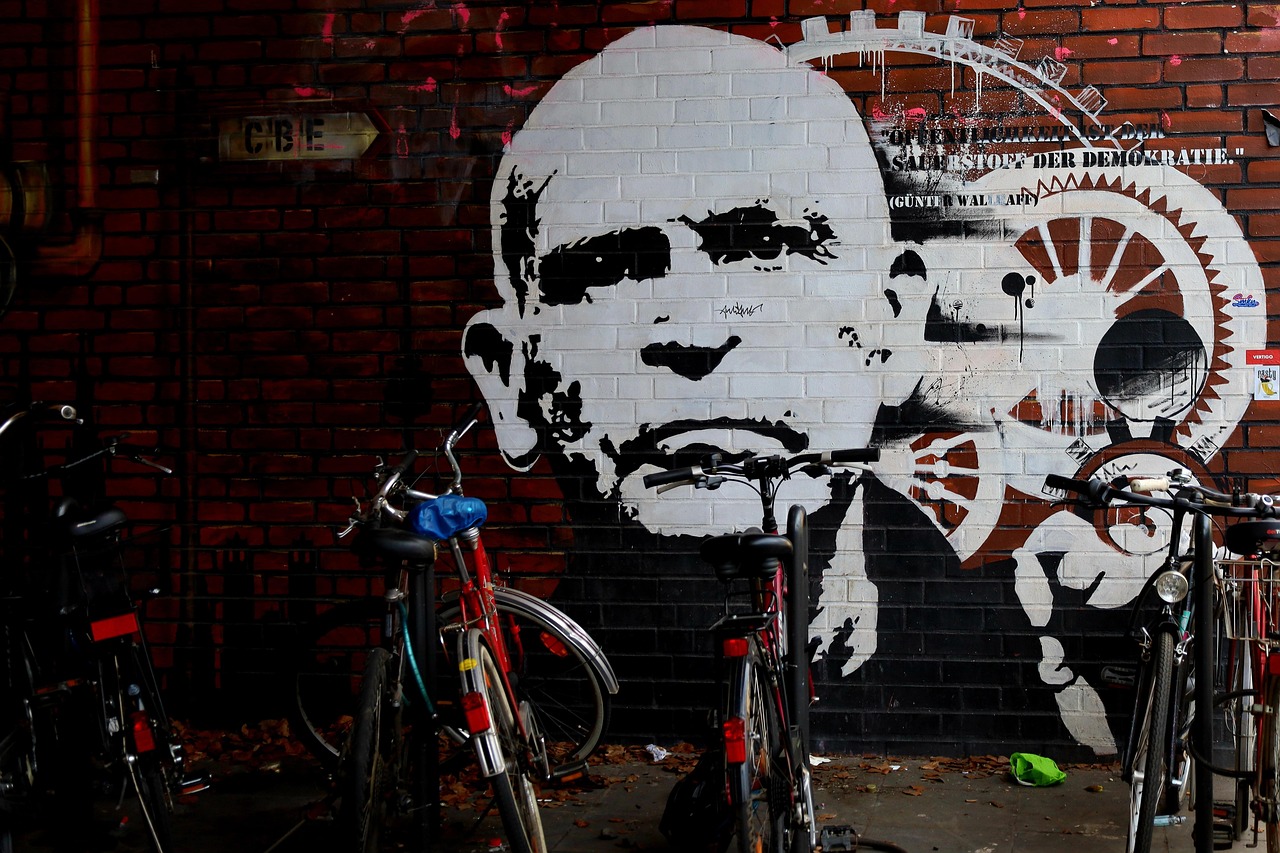
Graffiti Alley
A kilometer of sanctioned street art behind Queen West — Rush Lane's end-to-end murals: layered pieces repainting constantly, the city's best free gallery and photo canvas, with the Queen Street shopping strip one block north.

Art Gallery of Ontario (AGO)
One of North America's great art museums — a vast collection from European masters to the iconic Canadian Group of Seven and contemporary art, in a building transformed by Toronto-born architect Frank Gehry.